
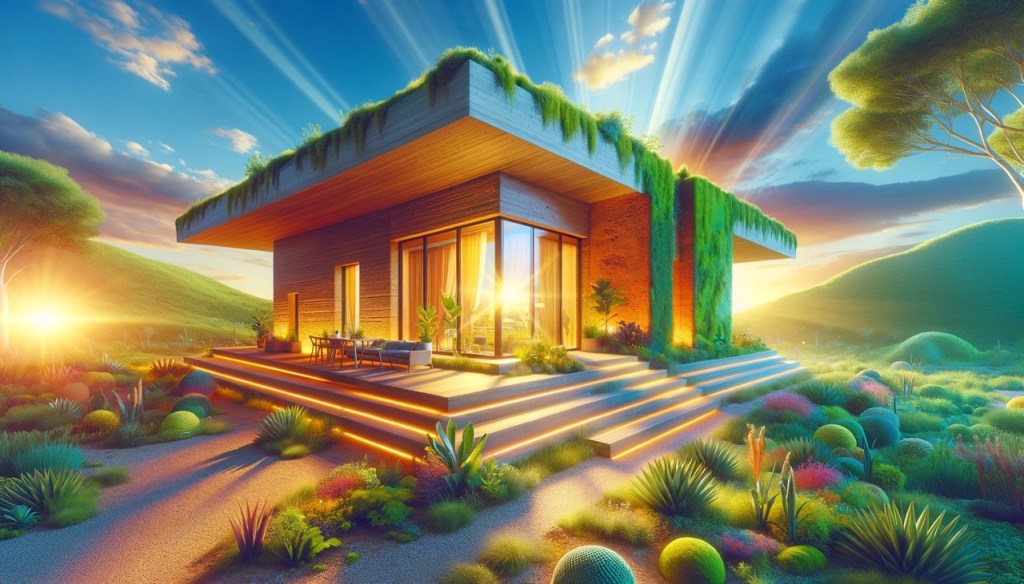
In the latest episode of “Happy Hour with Weston,” hosted by real estate agent Weston Kirk from Frisco, Texas, we were introduced to an innovative approach to sustainable construction by Michael from Sirewall USA. This discussion not only shed light on alternative building methods but also highlighted the importance of sustainable, durable, and cost-efficient construction practices in today’s real estate market.
Understanding Sirewall’s Approach to Sustainability
Sirewall (Structural Insulated Rammed Earth) represents a breakthrough in the construction industry, combining ancient techniques with modern technology to create buildings that are not just structures but works of art that stand the test of time. Rammed earth construction, the cornerstone of Sirewall’s approach, involves compacting a mixture of natural materials such as earth, clay, and gravel to create incredibly durable walls. This method, while being one of the oldest building techniques, has been refined by Sirewall USA to meet the demands of contemporary construction, emphasizing sustainability and energy efficiency.
The Benefits of Rammed Earth Construction
During the podcast, Michael elaborated on the multifaceted benefits of rammed earth construction. Notably, these buildings are renowned for their thermal mass, which contributes to significant energy savings over time. The dense walls absorb heat during the day and release it at night, reducing the need for artificial heating and cooling. Additionally, the materials used in rammed earth construction are typically sourced locally, minimizing the environmental impact associated with transportation and promoting the use of natural resources.
The Cost Efficiency of Sirewall’s Techniques
One of the striking points made by Weston was the cost efficiency of Sirewall’s building methods. While the initial investment might be higher compared to conventional construction, the long-term savings in energy costs, maintenance, and durability make it an economically viable option. The aesthetic appeal of ramed earth walls, with their natural textures and colors, also adds to the property value, making it an attractive choice for eco-conscious builders and homeowners.
Sirewall’s Impact on Sustainable Construction
Sirewall USA’s commitment to sustainable building practices goes beyond just the use of eco-friendly materials. Their construction process is designed to have a minimal environmental footprint, promoting biodiversity, reducing waste, and ensuring that the buildings are healthy for their occupants. By incorporating Sirewall’s techniques, developers and homeowners can significantly contribute to the global effort to combat climate change, making a tangible difference through the choices they make in construction.
Conclusion: The Future of Building with Sirewall
As the real estate industry continues to evolve, the demand for sustainable and innovative building solutions is on the rise. Sirewall USA stands at the forefront of this movement, offering a method that not only meets these demands but also redefines what we expect from our living and working spaces. Their approach to construction is a testament to the possibilities that arise when we combine traditional knowledge with modern innovation, creating buildings that are sustainable, beautiful, and built to last.
Weston Kirk’s engaging discussion with Michael from Sirewall USA serves as a valuable resource for anyone interested in the future of construction. It’s clear that as we move forward, embracing sustainable practices will not just be an option but a necessity, and companies like Sirewall are paving the way for a greener, more sustainable world.
“Weston is a great agent. Super responsive and always ready to answer any questions or see what needs to be addressed. Very knowledgeable as well and ready to cater to you based on needs and financial situation. I definitely would recommend Weston to friends & family and also will be working with him again for my next home.” – Som


 blogs
blogs 