
The Dallas-Fort Worth (DFW) metropolitan area has long been a focal point for real estate investors, homeowners, and industry experts. As we navigate through 2025, understanding the current dynamics of this vibrant market is crucial for making informed decisions. This analysis delves into the key factors shaping the DFW real estate landscape, providing a detailed overview for stakeholders.

Economic Growth and Population Dynamics
DFW’s robust economic expansion continues to be a significant driver of its real estate market. The region’s population has surpassed 8 million, reflecting substantial growth in recent years. This demographic surge is attributed to a combination of factors, including a strong post-pandemic recovery and an influx of corporate relocations. Notably, DFW is home to 23 Fortune 500 companies, underscoring its economic vitality.
Housing Inventory and Market Balance
In 2025, the DFW housing market is experiencing a notable increase in inventory levels. Compared to the previous year, there has been a 30% rise in the number of homes available for sale. This uptick in supply provides buyers with more options and contributes to a more balanced market environment. However, the increased inventory has also led to longer average days on market and a higher frequency of price reductions, particularly in areas like Collin County, which has seen a 51% increase in homes for sale year-over-year.

Mortgage Rates and Affordability
Mortgage interest rates have stabilized in the high 6% range, with projections suggesting a potential decrease to approximately 6.5% by mid-2025. While these rates are higher than the historic lows observed in previous years, they represent a decline from the peaks experienced in 2023. The stabilization of rates, coupled with DFW’s relative affordability compared to coastal cities, continues to attract homebuyers to the region.
Home Price Trends
The DFW area is witnessing modest home price appreciation, with average growth rates estimated between 3% and 5%. This steady increase reflects the region’s ongoing desirability and economic strength. Specific areas within the metroplex exhibit varying trends:
- Dallas: Urban neighborhoods such as Downtown and Uptown remain popular among professionals and investors, with sustained demand for high-rise condos and modern townhomes.
- Fort Worth: The city’s historic districts and new developments offer a blend of affordability and growth potential, appealing to first-time buyers and investors alike.
- Grapevine: Known for its charming downtown and proximity to Lake Grapevine, this area continues to see steady demand, particularly for luxury homes and properties near local amenities.
- McKinney and Plano: Both cities, renowned for their excellent schools and thriving communities, remain top choices for families. McKinney’s historic district and Plano’s Legacy West are particularly attractive to high-end buyers.
- Rockwall: Waterfront properties near Lake Ray Hubbard are gaining traction as buyers seek a balance between lakeside living and proximity to Dallas. dfwurbanrealty.com
Rental Market Insights
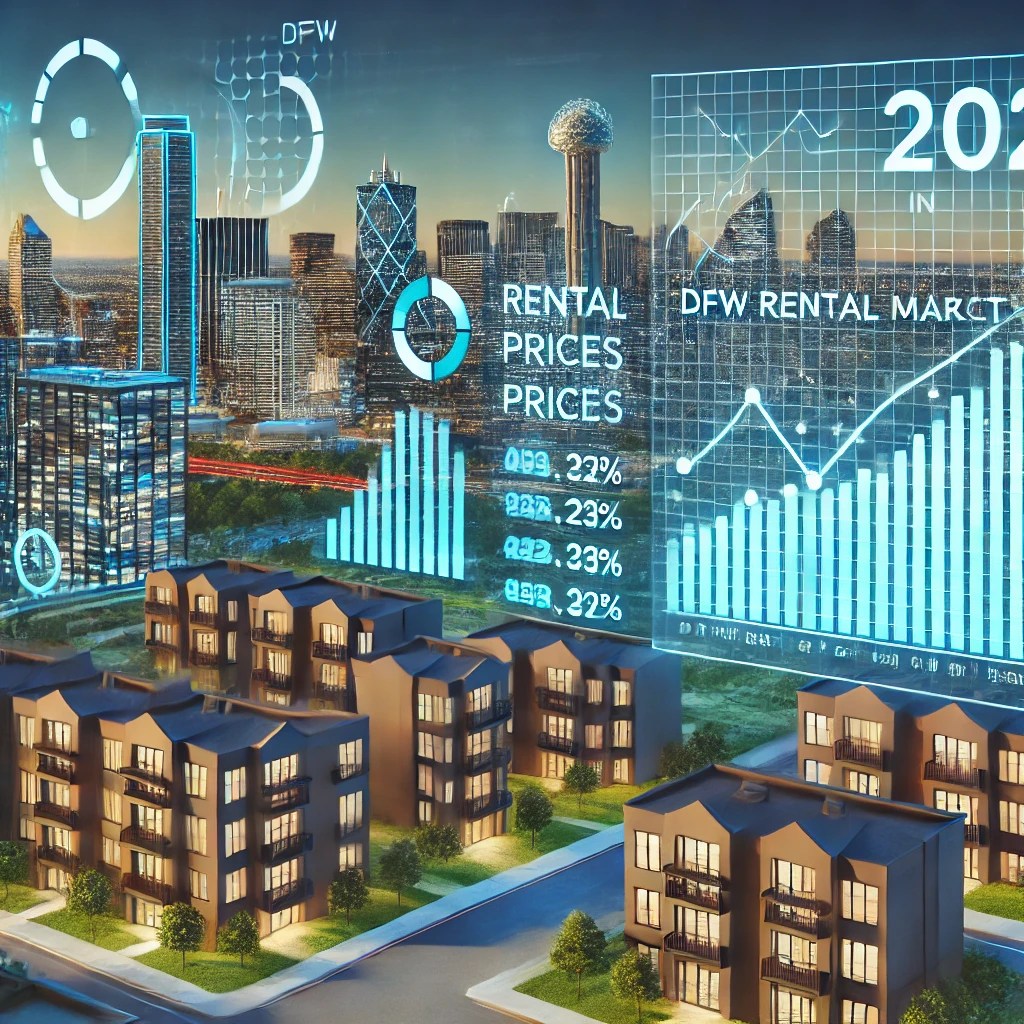
The rental market in DFW is also experiencing growth. The average rent for a one-bedroom apartment is currently around $1,382, while two-bedroom units average $1,838 per month. Projections indicate annual rent increases of 1% to 3%, which could result in average rents reaching approximately $1,475 to $1,504 for one-bedroom apartments and $2,074 to $2,115 for two-bedroom units by the end of 2025. Vacancy rates remain low, around 4%, reflecting strong demand, especially in neighborhoods with good access to jobs, transit, and amenities.
Investment and Development Outlook
The DFW metroplex has been identified as the top spot for real estate investment and development in the U.S. for 2025. This recognition is based on the region’s strong economy and significant population growth. Total employment in the area has surged over 11% since February 2020, further bolstering its appeal to investors.
Conclusion
The Dallas-Fort Worth real estate market in 2025 presents a dynamic landscape characterized by economic growth, increased housing inventory, stable mortgage rates, and modest home price appreciation. For buyers, sellers, and investors, understanding these trends is essential for making strategic decisions in this evolving market.
Sources:
- Dallas Real Estate News: 2024 Recap, 2025 Forecast
- 2025 Dallas Fort Worth, TX Real Estate Market Housing Forecast
- DFW 2025 Housing Market Outlook – NBC 5 Dallas-Fort Worth
- This Texas metropolitan area was named the hottest spot for real estate investment in 2025
- Dallas Housing Market Analysis & Forecast (2024 – 2025)

